Finding reliable dental care can be challenging. At New Horizon Dental Center, we’re committed to making high-quality, affordable services like wisdom teeth removal in Maricopa County, AZ accessible to our community. We also offer a variety of financing options to help make treatment fit comfortably within your budget. Explore our financing resources to learn more about your options.

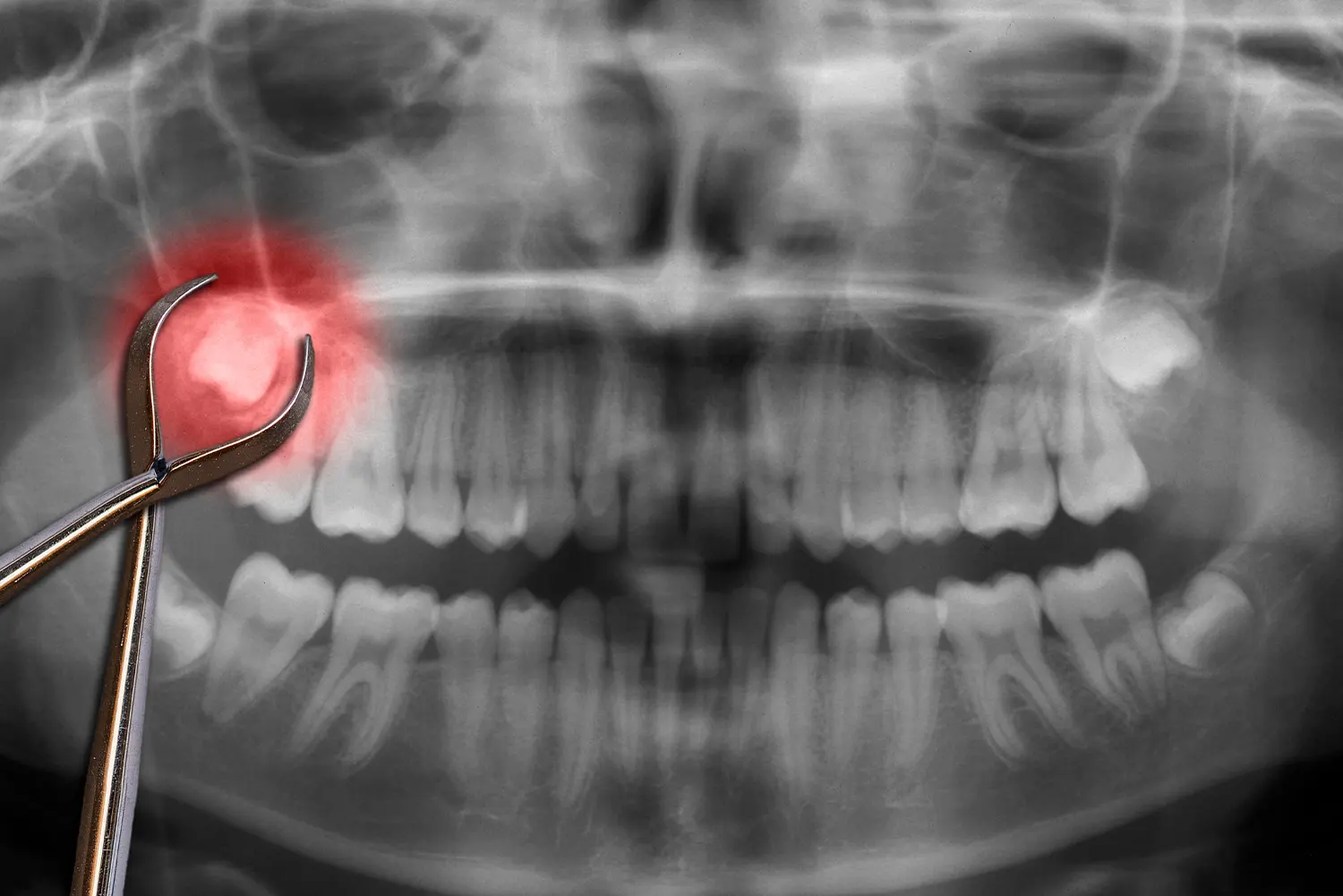

Wisdom tooth pain can be intense and distracting. If your wisdom teeth are impacted, infected, or crowding other teeth, it’s important to book an appointment with a low income dentist right away. Left untreated, problematic wisdom teeth can lead to swelling, infection, damage to nearby teeth, cysts, and even bone loss. Early evaluation and treatment can prevent complications and protect your long-term oral health.
Implant-assisted dentures are a great option to restore an entire arch of missing teeth. While most adults with generally good health are great candidates for these assisted dentures, the decision will be made following a consultation where our low income dentists can assess the state of your oral health.
Initial consultation
Treatment plan
Implant placement
Healing process
Denture manufacturing
Clip and lock the dentures to the implants

Oral surgery can make some patients nervous, but wisdom teeth removal is a very common and safe procedure. With modern techniques and local anesthesia, you should not feel any major discomfort during the process.
During the procedure, the dentist carefully removes the wisdom tooth (or teeth) causing the issue. If the tooth is impacted beneath the gums, a small incision may be made to access it. Once removed, the area is cleaned and, if necessary, stitched to promote proper healing.
Most appointments take about 45 minutes to an hour, depending on the number and position of the teeth being removed. Afterward, you’ll receive detailed aftercare instructions to ensure a smooth recovery.

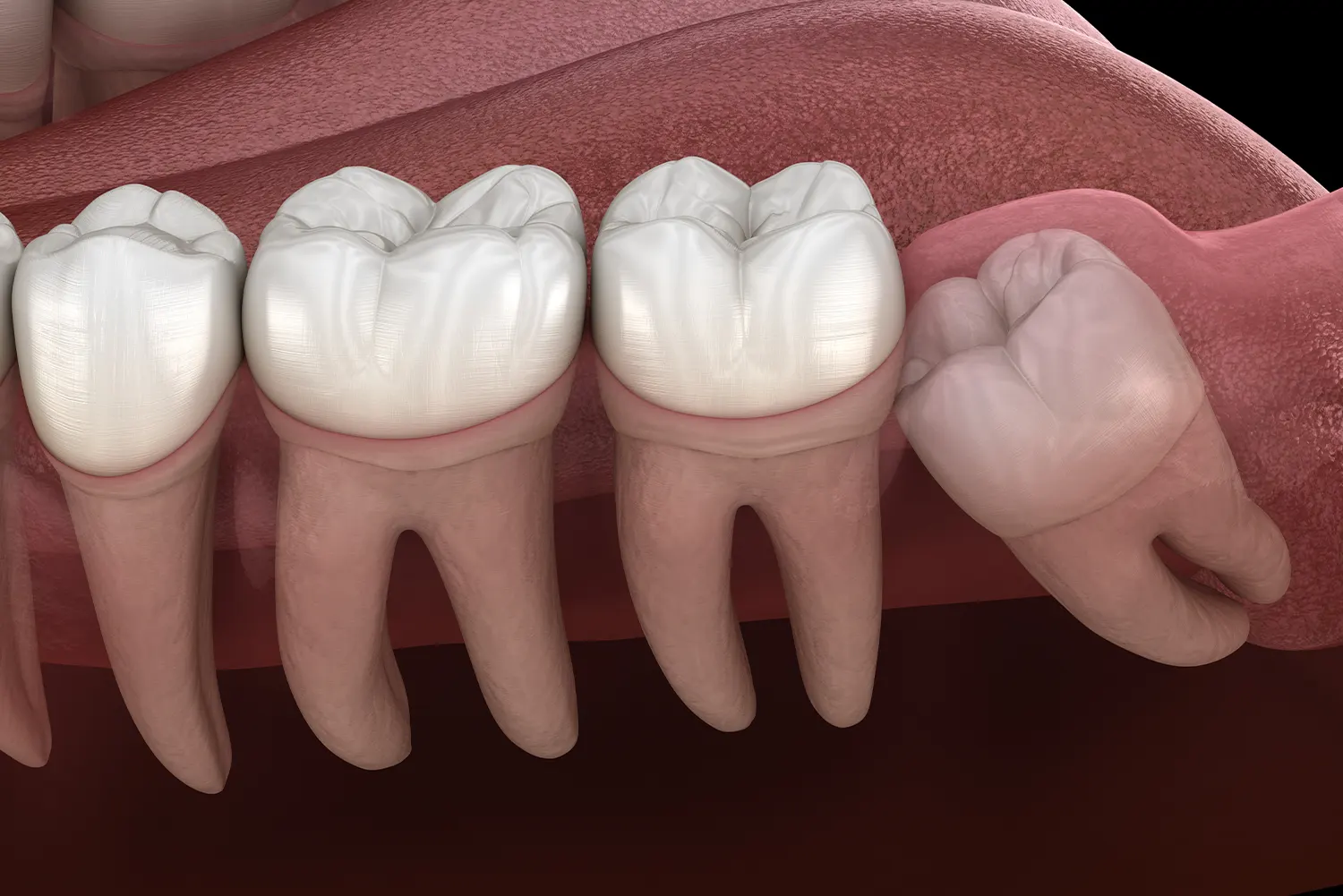
- Applying numbing agent to the gums and injecting a local anesthetic
- Gently loosening and removing the wisdom tooth (or making a small incision if impacted)
- Cleaning the area to prevent infection
- Placing stitches if necessary and providing gauze to control bleeding
- Reviewing aftercare instructions for proper healing
- Book a wisdom teeth consultation today!
We offer several types of wisdom tooth removal options at your low income dentist Maricopa County, AZ, each suited to your specific situation. During your consultation, we can help you determine the best approach!

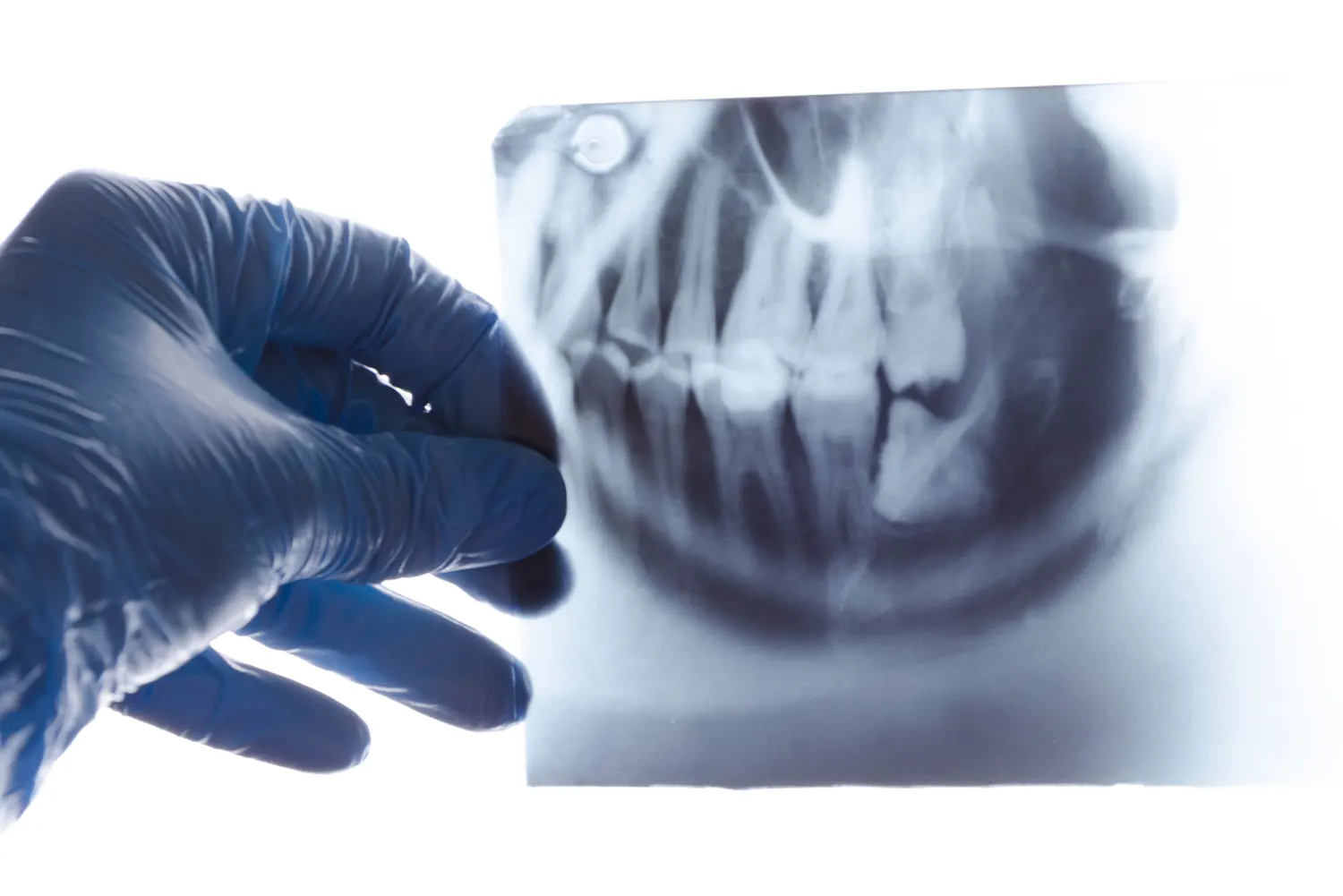
Simple Extraction: If your wisdom tooth has fully erupted above the gum line, it can often be removed with a straightforward extraction using specialized dental instruments.
Surgical Extraction: For impacted wisdom teeth that are partially or fully trapped beneath the gum or bone, a surgical extraction is required. This involves a small incision to safely access and remove the tooth.
Partial Bony Impaction Removal: When part of the tooth is covered by bone, the dentist carefully removes the surrounding bone tissue before extracting the tooth to prevent complications.
Full Bony Impaction Removal: If the wisdom tooth is completely encased in bone, a more advanced surgical approach is used to section the tooth and remove it in pieces for safer extraction.


If you have generally good health, you are likely a good candidate for these procedures. However, the final decision should be made after you have a consultation, so that the dentist can assess the state of your oral health and can provide you with the best options.
You might only require a singular dental implant. However, if the other teeth are damaged, implant-assisted dentures might still be a good option.
The short answer is no. Implant-assisted dentures are properly secured and you will experience no issues eating, drinking, or talking.
With the proper care, your implant-assisted dentures can last you for decades. We can offer you great maintenance tips to prolong the lifespan of your dentures as much as possible.
Recovery time varies depending on whether your extraction was simple or surgical. Most patients feel significantly better within 3–5 days. Swelling and mild discomfort are common during the first 48–72 hours and gradually improve.
The procedure itself should not be painful. We use a numbing agent and local anesthesia to keep you comfortable throughout the extraction. You may feel slight pressure, but not sharp pain. After the procedure, mild to moderate soreness is normal as the anesthesia wears off. This can usually be managed with prescribed or over-the-counter pain medication, ice packs, and rest.
Wisdom teeth should be removed if they are:
- Causing pain or swelling
- Impacted (stuck beneath the gums)
- Crowding nearby teeth
- Leading to infection or gum irritation
- Difficult to clean and at risk for decay
Even if you’re not currently experiencing pain, your dentist may recommend removal if X-rays show that your wisdom teeth are likely to cause future problems. Early removal can often prevent more serious complications down the road.
Impacted wisdom teeth are third molars at the back of the mouth that don't have enough room to emerge or develop normally. They can be trapped in your jawbone or gums, which can be painful. There are several types of impaction, including mesial, vertical, horizontal, and distal impaction.
Impacted wisdom teeth can cause various problems, including damage to other teeth, infection, and cysts. If not addressed quickly, these issues can lead to more serious health problems.

.avif)
